Choosing Between ERP and CRM: What Utah Businesses Need to Know
As businesses in Utah continue to evolve, many are faced with the critical decision of choosing between an Enterprise Resource Planning (ERP) system and a Customer Relationship Management (CRM) system. Both are powerful tools that can enhance business operations, but understanding their differences is crucial for making an informed choice.
Understanding ERP and CRM Systems
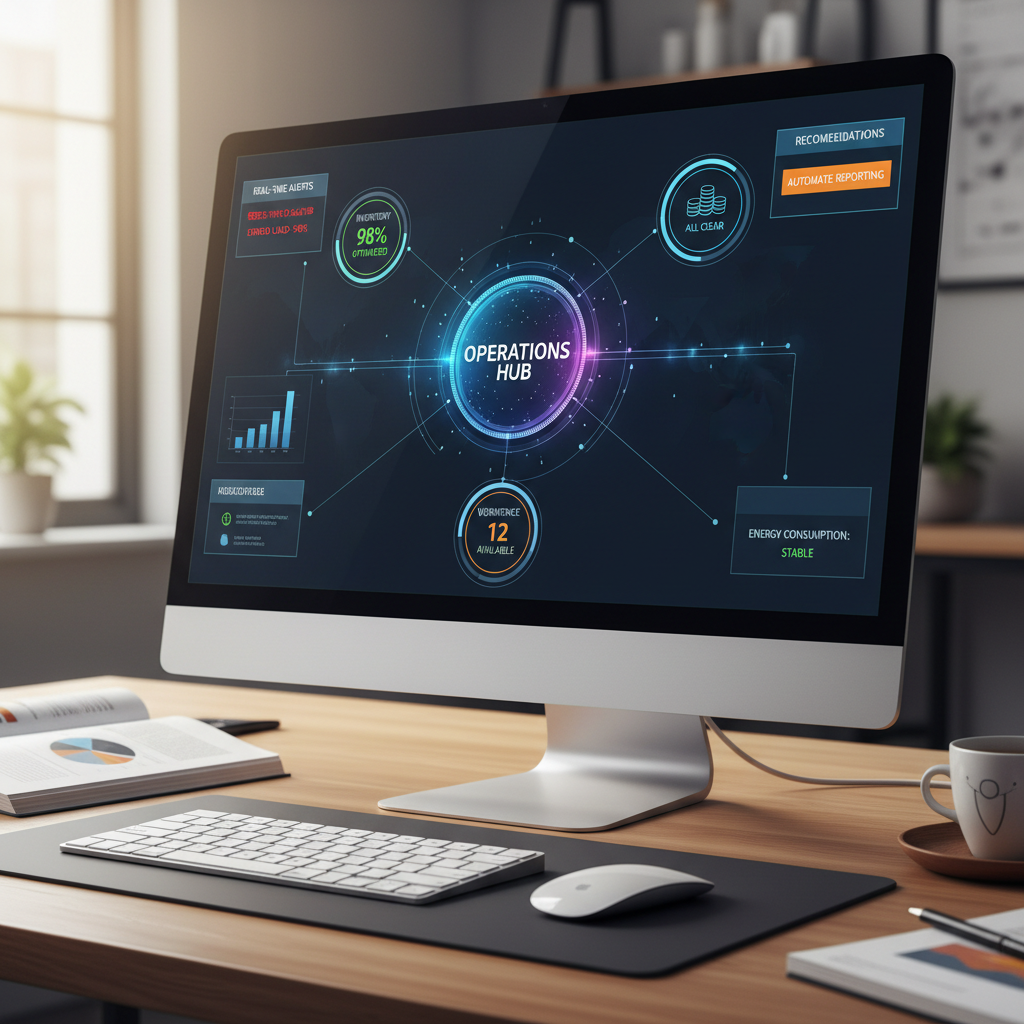
An ERP system is designed to integrate and manage core business processes, such as finance, supply chain, and human resources, into a single unified system. This integration allows for improved efficiency and streamlined operations. On the other hand, a CRM system focuses on managing a company’s interactions with current and potential customers, aiming to improve customer satisfaction and drive sales growth.
Key Features of ERP Systems
ERP systems offer a comprehensive suite of applications that support various business functions. Some of the primary features include:
- Financial Management: Streamlines accounting and financial operations.
- Supply Chain Management: Enhances procurement, inventory, and logistics processes.
- Human Resources: Manages employee data, payroll, and recruitment.
Benefits of CRM Systems
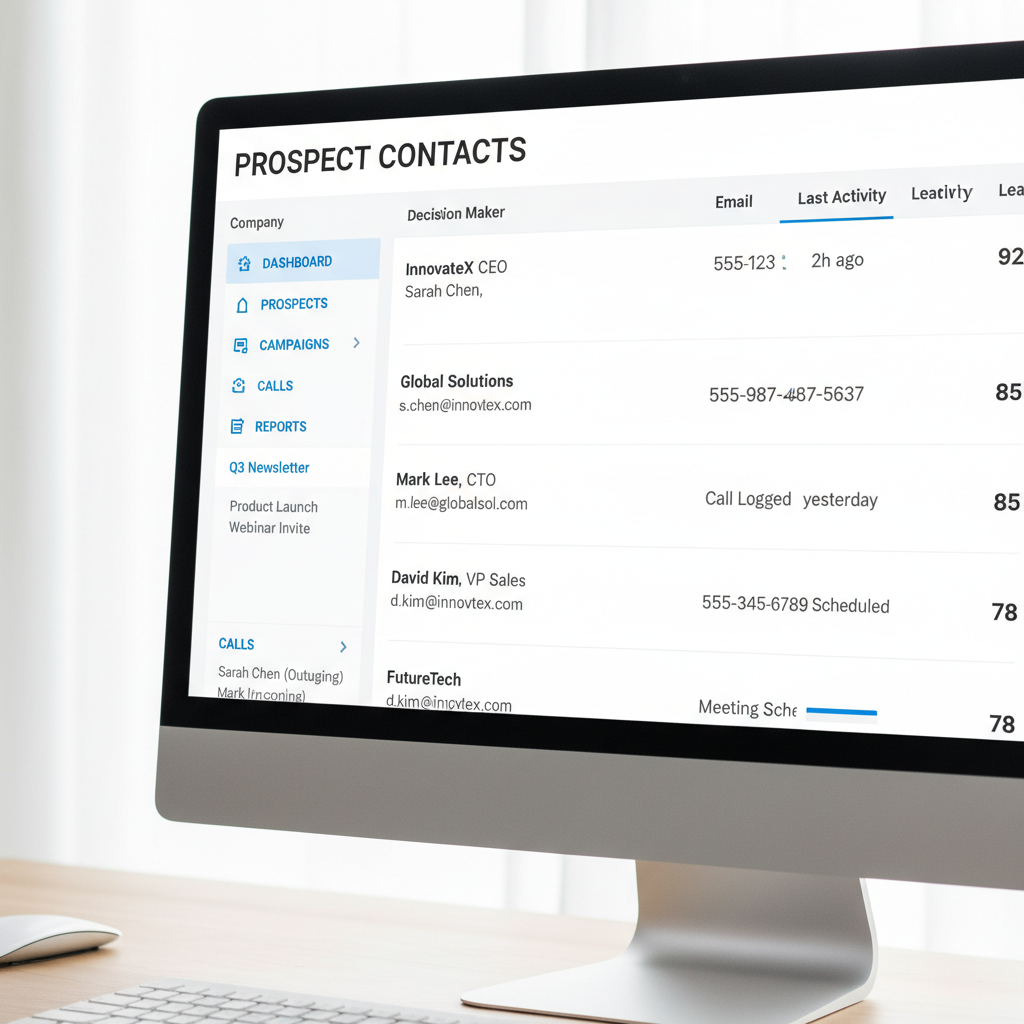
CRM systems are particularly beneficial for businesses focused on enhancing customer relationships. They offer features such as:
- Contact Management: Organizes and tracks customer interactions.
- Sales Management: Automates sales processes and manages leads.
- Customer Service: Improves support and communication with clients.
Why Utah Businesses Might Choose ERP
For Utah businesses with complex operations spanning various departments, an ERP system might be the ideal choice. The ability to integrate different business processes into a single system can result in significant time and cost savings. Additionally, ERP systems are beneficial for companies looking to scale operations efficiently.
Why CRM Could Be the Better Option
Businesses in Utah with a strong focus on sales and customer service might find a CRM system more suitable. CRM systems are invaluable for tracking customer interactions and improving sales strategies. They help businesses understand customer needs and tailor their services accordingly, thereby boosting customer satisfaction and loyalty.

Considering Hybrid Solutions
Some businesses might find that a combination of both ERP and CRM systems is necessary to meet all their needs. Hybrid solutions can provide the benefits of both systems, offering comprehensive functionality across various business areas. This approach allows for flexibility and scalability, accommodating business growth and changes in operational requirements.
Final Thoughts
Choosing between an ERP and CRM system is not a decision to be taken lightly. It requires careful consideration of your business’s specific needs, goals, and resources. By understanding the unique advantages of each system, Utah businesses can select the solution that will best support their growth and success in the competitive marketplace.