Debunking Common Myths About ERP and CRM Systems
Understanding ERP and CRM Systems
Enterprise Resource Planning (ERP) and Customer Relationship Management (CRM) systems are essential tools for businesses today. However, several myths can cloud their true value. In this post, we aim to debunk some of these common misconceptions.
Myth 1: ERP and CRM Are the Same
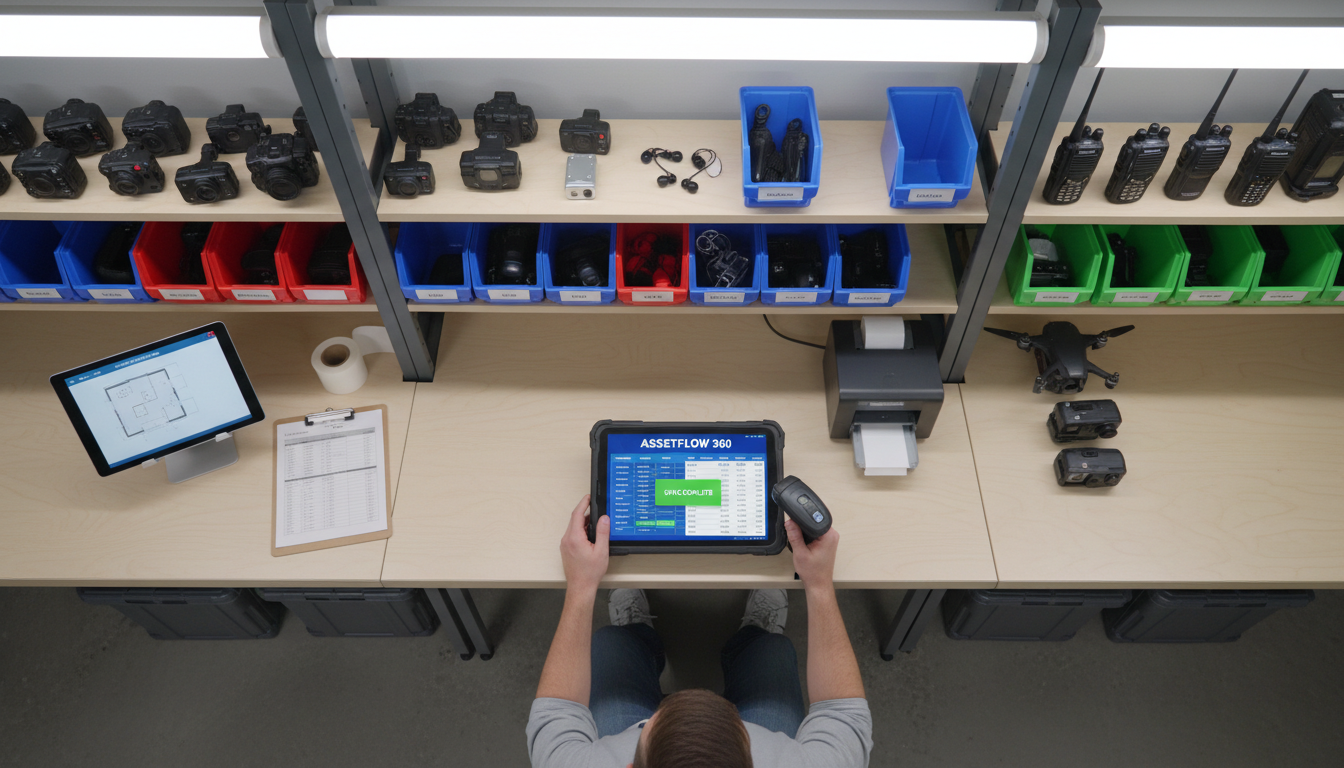
One prevalent myth is that ERP and CRM systems serve the same purpose. While they can be integrated, they fulfill different functions. ERP systems focus on internal processes, including inventory management and financial operations. In contrast, CRM systems center on customer interactions, managing sales, and marketing efforts.
These systems complement each other, but understanding their distinct roles can help businesses optimize their operations effectively.
Myth 2: Only Large Businesses Need These Systems
Another common myth is that only large enterprises benefit from ERP and CRM systems. In reality, businesses of all sizes can gain significant advantages. Small and medium-sized enterprises (SMEs) can streamline operations, improve customer relationships, and enhance decision-making processes with these tools.

Implementing these systems can provide a competitive edge, regardless of the size of your business.
Myth 3: Implementation Is Too Complex and Costly
Many believe that implementing ERP and CRM systems is an overwhelming and costly endeavor. While it is true that proper planning and investment are required, modern solutions offer scalable and customizable options. Cloud-based systems have made these tools more accessible and affordable than ever before.
By working with experienced providers, businesses can ensure a smoother implementation process, tailored to their specific needs.
Myth 4: ERP and CRM Systems Guarantee Success
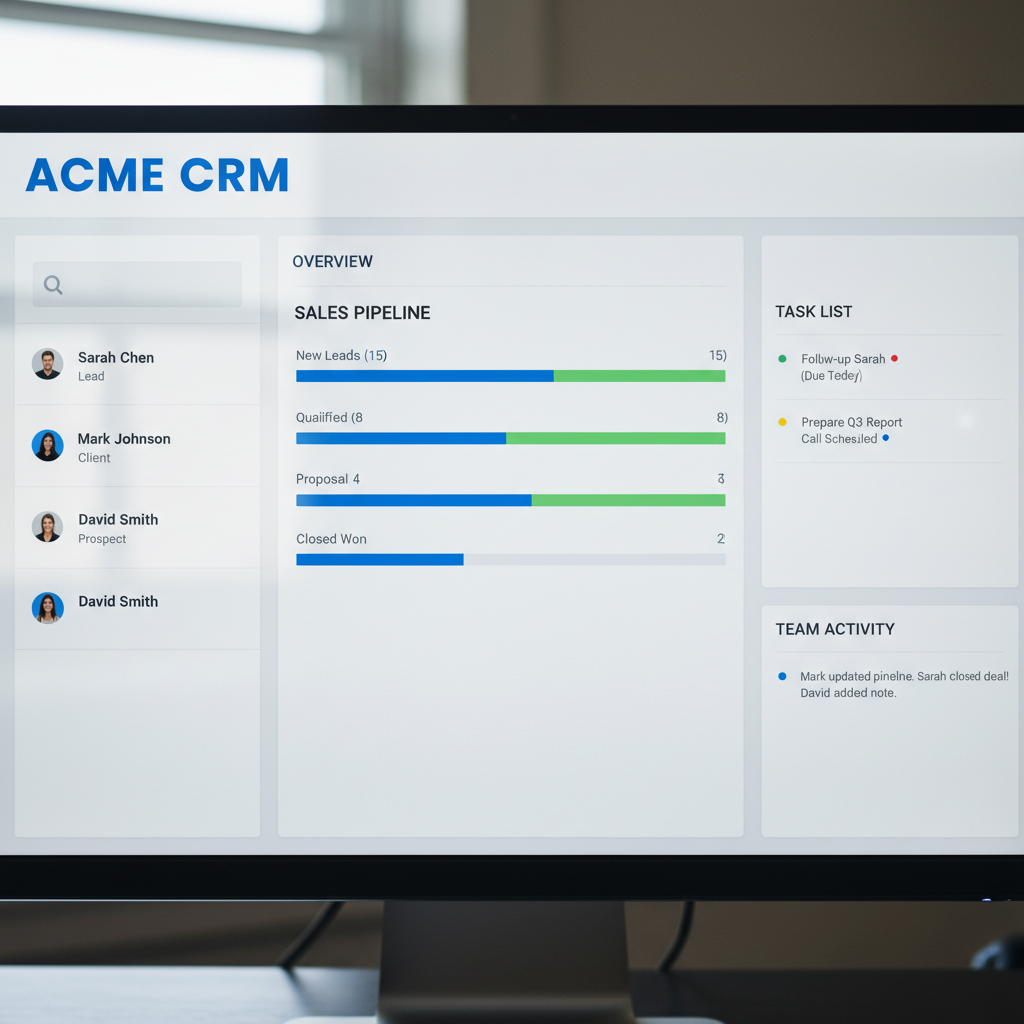
Some assume that merely installing ERP and CRM systems will lead to automatic success. While these tools provide valuable insights and efficiencies, they are not a substitute for effective management and strategy. Successful integration requires ongoing training, evaluation, and adaptation to evolving business needs.
- Regular training sessions to keep staff updated
- Continuous evaluation of system performance
- Adaptation to changing market trends
Conclusion: Making Informed Decisions
Understanding the myths surrounding ERP and CRM systems can empower businesses to make informed decisions. By recognizing their unique roles and the true benefits they offer, companies can leverage these tools to drive growth and efficiency. Don't let myths deter you from exploring the potential of ERP and CRM systems for your business.