ERP vs. CRM: Understanding the Differences and Benefits for Your Utah Business
Introduction to ERP and CRM
As Utah businesses strive to streamline operations and enhance customer relationships, understanding the key differences between ERP (Enterprise Resource Planning) and CRM (Customer Relationship Management) systems becomes crucial. Both systems play pivotal roles in business management, but they serve distinct purposes. Let's delve into what each system offers and how they can benefit your business.

What is ERP?
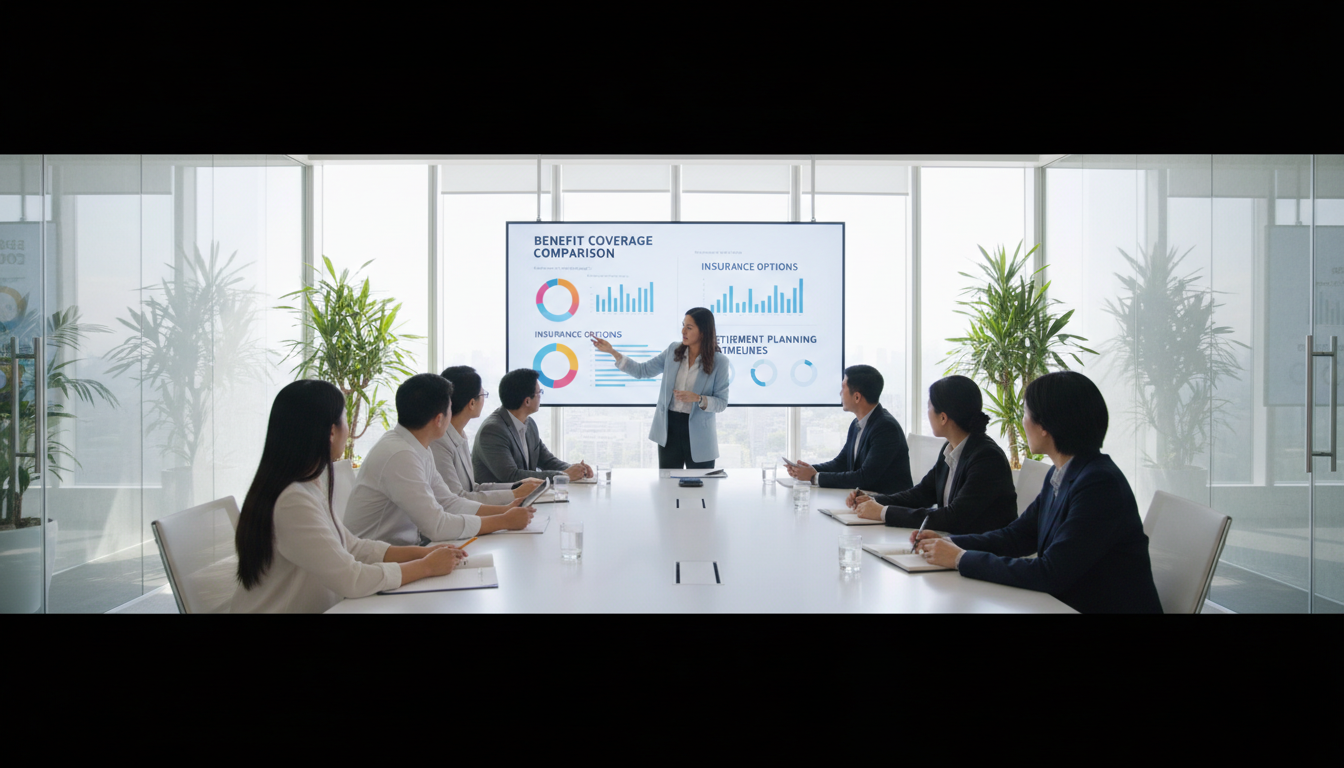
ERP systems are designed to integrate various business processes into a single, cohesive framework. This integration allows for improved efficiency and accuracy across departments such as finance, human resources, inventory, and supply chain management. By centralizing data, an ERP system helps businesses make informed decisions and reduces the risk of errors.
Benefits of ERP for Utah Businesses
Implementing an ERP system can offer several advantages, including:
- Increased efficiency: Automating routine tasks saves time and minimizes human error.
- Improved reporting: Access to real-time data helps in strategic planning and forecasting.
- Scalability: ERP systems can grow with your business, accommodating new processes and departments.
What is CRM?
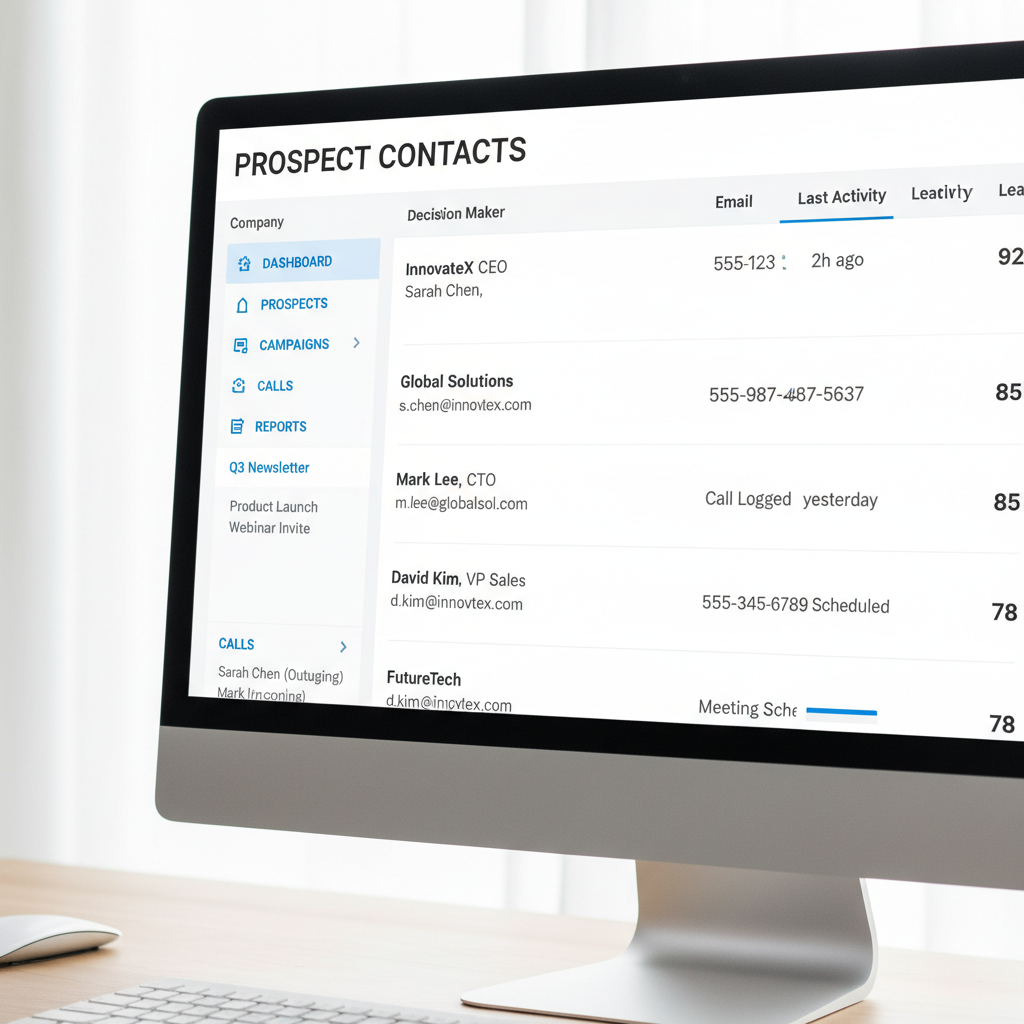
CRM systems focus on managing a company's interactions with current and potential customers. These systems assist in organizing customer information, tracking sales leads, and managing marketing campaigns. The goal of CRM is to enhance customer satisfaction and drive sales growth by fostering better relationships with clients.
Benefits of CRM for Utah Businesses
Utilizing a CRM system can provide numerous benefits, such as:
- Enhanced customer relationships: Personalized communication improves customer satisfaction and loyalty.
- Sales growth: Efficient lead management and follow-ups can increase conversion rates.
- Data-driven insights: Analytics tools help identify customer trends and preferences.
Key Differences Between ERP and CRM
While both ERP and CRM systems aim to improve business efficiency, they serve different functions. ERP is primarily focused on optimizing internal business processes, whereas CRM concentrates on enhancing customer interactions. Understanding these distinctions can help businesses choose the right system based on their specific needs.
Choosing the Right System for Your Business
When deciding between ERP and CRM, consider the following:
- Business goals: Determine if your primary focus is internal efficiency or customer relationship enhancement.
- Current challenges: Identify the areas where your business needs the most improvement.
- Budget and resources: Evaluate the financial and human resources available for system implementation.
Conclusion
For Utah businesses, both ERP and CRM systems offer unique benefits that can drive growth and efficiency. By understanding the differences and assessing your business needs, you can make an informed decision that aligns with your goals. Whether you choose ERP, CRM, or a combination of both, investing in the right technology will position your business for success in a competitive market.