Expert Tips for Selecting the Right ERP System for Your Utah Business
Understanding Your Business Needs
Selecting the right ERP (Enterprise Resource Planning) system for your Utah business can significantly impact your operational efficiency and growth. The first step is to thoroughly understand your specific business needs. Consider factors such as the size of your company, the industry you operate in, and the unique challenges you face. Conducting a thorough needs assessment will help you identify the features that are most important for your business.
Involve key stakeholders from different departments to gather diverse perspectives. This will ensure that the ERP system you select supports all areas of your business effectively. Understanding these needs early on will guide you in choosing a system that aligns with your business goals.

Evaluating ERP Features
Once you have a clear picture of your business needs, it's time to evaluate the features of various ERP systems. Look for features that are essential for your operations, such as inventory management, customer relationship management, and financial reporting. It's crucial to ensure that the system can be customized to fit your specific processes and workflows.
Consider whether the ERP system offers scalability to accommodate future growth. As your business expands, you'll need a system that can grow with you, offering additional modules and capabilities as needed. This flexibility can save you time and money in the long run.
Cloud-Based vs. On-Premises
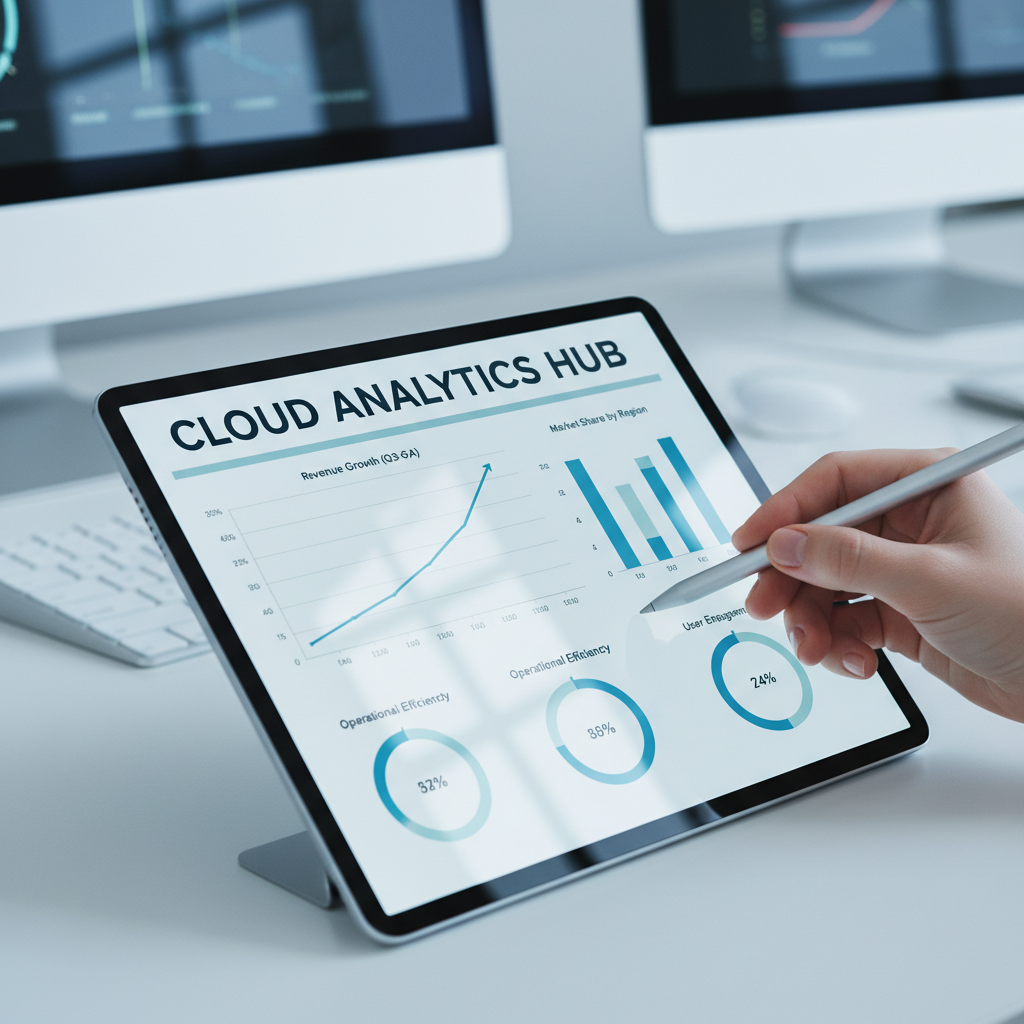
Another key decision is choosing between a cloud-based or on-premises ERP system. Cloud-based systems offer several advantages, including lower upfront costs, automatic updates, and remote accessibility. However, on-premises systems might offer more control and security, which can be beneficial for businesses with specific compliance requirements.
Budget Considerations
Budget is a critical factor in selecting an ERP system. While it might be tempting to opt for the cheapest option, it's important to consider the total cost of ownership, including implementation, training, and ongoing maintenance. A more expensive system might offer better value in the long term by improving efficiency and reducing operational costs.
Don't forget to account for potential hidden costs, such as customization fees or additional user licenses. A clear understanding of your budget and financial constraints will help you make an informed decision.
Vendor Reputation and Support
The reputation of the ERP vendor and the quality of their customer support are crucial considerations. Research vendors thoroughly, read reviews, and speak with other businesses that have implemented the systems you are considering. A vendor with a strong track record and excellent customer support can make a significant difference in the success of your ERP implementation.

Implementation and Training
ERP implementation can be complex and time-consuming. It's essential to choose a vendor that provides comprehensive implementation support and training for your team. Proper training ensures that your employees can effectively use the new system, maximizing its benefits for your business.
Consider investing in ongoing training and support to keep your team updated on new features and best practices. This investment can lead to improved productivity and a smoother transition.
Conclusion
Choosing the right ERP system for your Utah business requires careful consideration of your unique needs, budget, and vendor options. By following these expert tips, you can select an ERP system that enhances your operations, supports growth, and ultimately contributes to your business success. Remember, the right ERP solution is not just a tool, but a strategic asset that can drive your business forward.