How to Maximize ROI with ERP and CRM Integration for Spanish Fork Companies
Understanding the Basics of ERP and CRM Integration
For companies in Spanish Fork, integrating Enterprise Resource Planning (ERP) and Customer Relationship Management (CRM) systems can significantly enhance business efficiency. ERP systems streamline internal processes, while CRM systems focus on customer interactions. When combined, they offer a comprehensive view of operations and customer data.
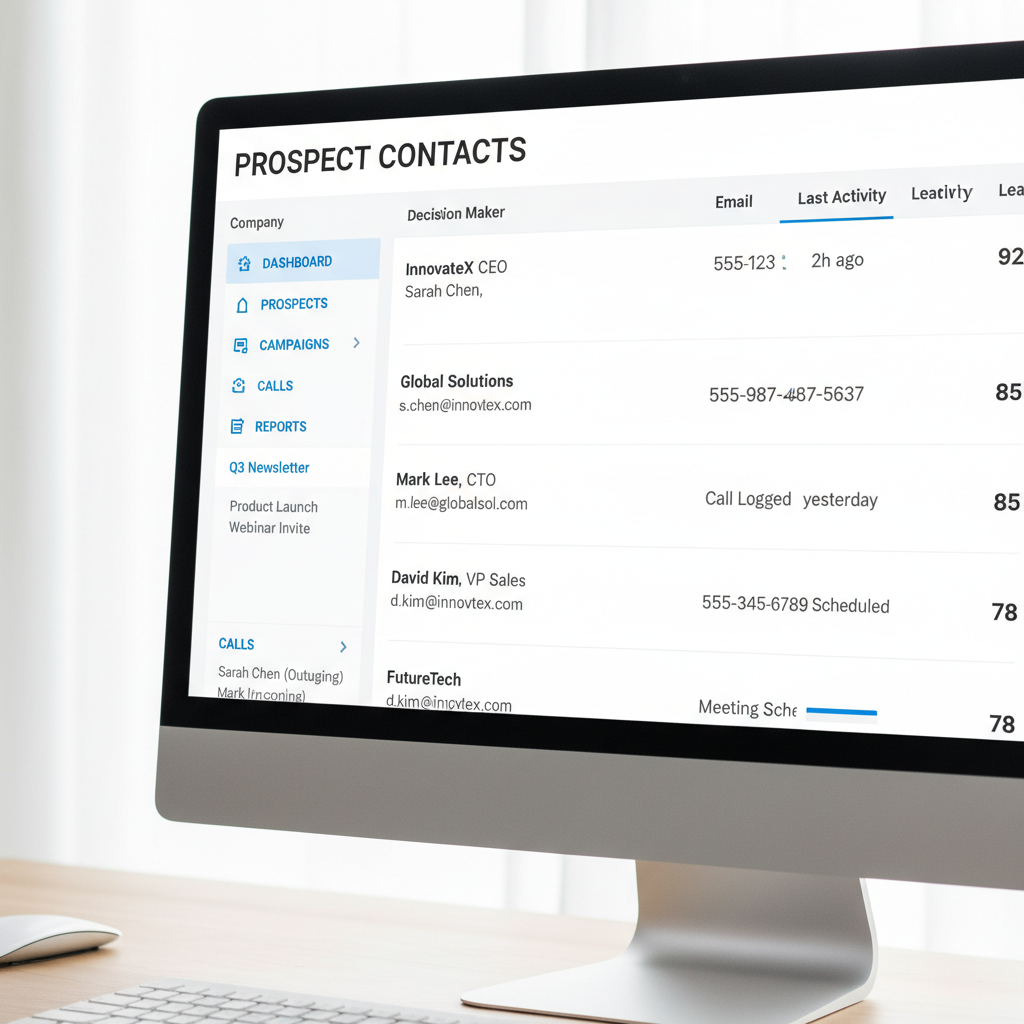
The integration of these systems allows businesses to share data seamlessly, reducing redundancy and ensuring accurate information flow. This synergy enables better decision-making and resource allocation, ultimately improving the return on investment (ROI).
The Benefits of Integration
Integrating ERP and CRM systems offers numerous advantages. Businesses can experience improved productivity, as employees spend less time on repetitive tasks. Additionally, enhanced data accuracy leads to better customer service, which can increase customer satisfaction and loyalty.
Another key benefit is the ability to generate comprehensive reports that provide insights into both operational efficiency and customer trends. This holistic view is crucial for strategic planning and identifying new growth opportunities.

Steps to Successful Integration
To maximize ROI from ERP and CRM integration, companies should follow these essential steps:
- Assess Current Systems: Evaluate existing ERP and CRM systems to determine compatibility and identify integration requirements.
- Define Objectives: Clearly outline the goals and expected outcomes of the integration to align team efforts.
- Select the Right Tools: Choose integration tools that seamlessly connect both systems while supporting future scalability.
- Implement Gradually: Roll out the integration in phases to manage changes effectively and address any issues promptly.
Overcoming Integration Challenges
While integration offers numerous benefits, it also presents challenges that need to be addressed. Data consistency is crucial, so ensure that both systems are regularly updated and synchronized. Training employees on the new integrated system is essential to maximize its potential.

Moreover, maintaining clear communication between departments can prevent misunderstandings and promote a collaborative environment. By addressing these challenges head-on, companies can enhance the success of their integration efforts.
Measuring ROI and Continuous Improvement
After implementing the integration, it's vital to measure ROI to understand its impact on the business. Key performance indicators (KPIs) such as customer retention rates, operational efficiency, and revenue growth can provide valuable insights.
Continuous improvement should be a priority. Regularly reviewing system performance, gathering feedback from users, and staying updated with technological advancements can help Spanish Fork companies maintain a competitive edge.

In conclusion, ERP and CRM integration offers a powerful way for Spanish Fork companies to enhance their operations and customer interactions. By following best practices and overcoming challenges, businesses can achieve significant ROI and drive long-term success.